Pages

Tuesday, January 8, 2019

Summer Leaning Journey Day 17

Hey bloggers, I'm back!
Today is the 17th day of the Summer Learning Journey which means that there is only 3 days of the Summer Learning Journey left! YAY! Anyway, lets get on with the activities! Here is the first activity!
New Zealand has some of the most beautiful forests in the world. Both New Zealanders and tourists, alike, enjoy walking through these forests. Unfortunately, constantly walking through forests can damage the plants and animals (flora and fauna) that live there. In an attempt to protect the local flora and fauna, an eco-tourism company in Rotorua came up with an idea. The Rotorua Canopy Tours Company designed a series of ziplines that sit above the forest canopy (top). People can ‘zip’ from one section of the forest to another, looking down on the beautiful natural areas below. To see what ziplining looks like, check out this video.
I have tried ziplining and I really enjoyed it, however, I must admit that I was pretty scared to try it at first. How would you feel if you had the chance to go ziplining in Rotorua?
On your blog, tell us how you would feel about going ziplining in Rotorua. Try to use some descriptive words (adjectives) and action words (verbs) in your post!
I think that if I went Zip lining  then I would be nervous but I would also be excited at the same time because I have never been zip lining and I really want to go. I would imagine myself being lie, "This is going to be fun!" before I go and then when its my turn, I'm just going to be like, "Why did I do this!" but in the end I would be really happy and would want to do it again.
Here is the second activity!
There are concerns about the water quality of some of the rivers, streams and oceans in and around New Zealand. Some people have suggested that we plant flowers and plants on the banks of our most polluted rivers to stop the spread of the pollution. Apparently, the plants can act as filters, absorbing some of the chemicals (pollutants) that are moving across the land, on their way to the river.
Planting can be a lot of fun! Have you ever planted a garden? Aronui and I are going to make our very own edible garden this year. We are going to plant a number of veggies, fruits and herbs, including mint, coriander, parsley, lemongrass, onions, tomatoes, beans, zucchinis, kumara and strawberries. Yum! If you could plant an edible garden what would you plant in it?
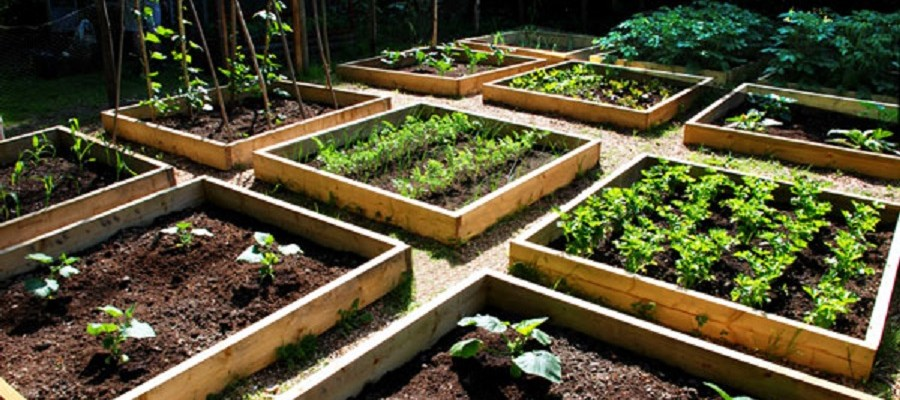
On your blog list 10 veggies, fruits, or herbs that you would plant in your garden.
I think I would that I would plant Strawberries, Apples, Apricots, Watermelons, Grapes, Tomatoes, Potatoes, Chives, Pears and Cucumbers!
Here is the last activity!

New Zealand is home to some unique wildlife that cannot be found anywhere else in the world. While we work very hard to protect our natural habitats so, too, do people living and working in other countries. One of the oldest international wildlife conservation organisations is called ‘Fauna & Flora International’ (FFI). They support a number of projects around the world, including those working to protect Lansan trees in the Caribbean, fruit forests in Tajikistan, and national reserves in Mozambique. Read about each of these projects and choose the one that interests you the most.
On your blog, tell us which project you find most interesting and why.
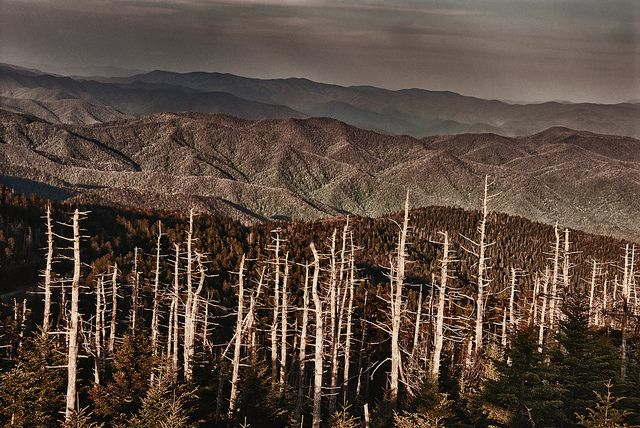
I think that I found The Landan tree's in the Caribbean the most interesting because I had never heard about that and when I was reading about it, I found some new things and I didn't know that they lost %60 of it because deforestation and overexploitation.

Monday, January 7, 2019

Summer Learning Journey, Day 16!

Hey bloggers, I'm back!
Today is the 16th day or the first day of the 4th week! Which means that there are 4 days left until the Summer Learning Journey is finished! YAY! I am so excited to see who won! Anyways, lets get on with the activities, here is the first one!
If we want to protect our natural world, we must be thoughtful about what we make, how we make it and how we dispose of it (throw it away). At the moment, the waste in New Zealand is separated into two main categories: 1. Recycled items (eg. bottles, cans, paper) and, 2. Non-recycled items (rubbish). Most of the rubbish is collected by rubbish trucks and taken to a rubbish tip (landfill) where it is dumped and never used again. Much of the recycled material is to taken to a place where it is sorted, separated and sent out to be used again.
The idea of reusing materials was taken to a whole new level by a woman named Dame Suzie Moncrieff who, thirty years ago, created an event in New Zealand called the ‘World of WearableArt’ (WOW). WOW takes place in Wellington (and in other cities) every year. Artists from around the world create outfits made entirely from recycled materials.
Let’s imagine that you were invited to this year’s WOW awards and you were able to interview the creator.
On your blog, list five interview questions that you would like to ask Dame Suzie Moncrieff.
How did you come up with the idea?
Why did you decide to create this event?
How come you didn't pick another type of event?
Do you have a goal you wanted to complete?
Have you accomplished it?

Here is the second activity!
One of the largest rivers in New Zealand is called the Waikato River. It is found in the central part of the North Island of New Zealand. The river (awa) was given the name ‘Waikato’ (meaning flowing water) by a group of men and women from the Tainui iwi who, legend has it, travelled down the Waikato years ago and settled in the area. According to Māori legend, the Waikato River has hundreds of taniwha (mythical water spirits) living in it, guarding the sea.
Unfortunately, the Waikato River has become polluted in recent years and is, sometimes, closed to the public. This is very upsetting for many people, especially for those who believe that taniwha live in the river. Please click here to read about taniwha and watch this short video about taniwha.
Once you have finished learning about taniwha go to your blog.
On your blog tell us whether, or not, you believe that taniwha exist. Be sure to explain to us why you feel this way.
I don't think that taniwha exists and to those who do believe he exists, don't be offended. Anyways, the bubbles that were in the lake could have been made by anyone, it could have been a fish or pipes or maybe even taniwha. I searched for photo's of taniwha and there were different types of photos which probably means that nobody has actually seen him and the photo's looks realistic but I don't think that taniwha exists.
Here is the last activity!
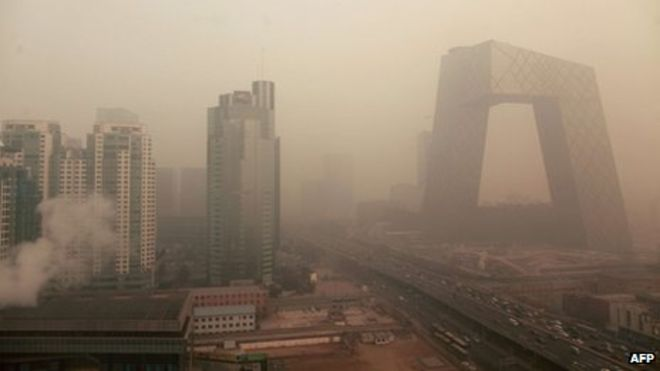
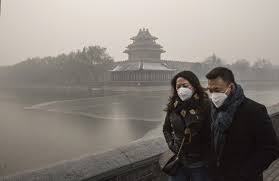
One day I would really like to travel to China. It is a country with a rich history, vibrant cities, tasty food, and fascinating architecture   (buildings). Unfortunately, some of the largest Chinese cities have high rates of air pollution. The air pollution in Beijing, one of the largest cities in China, can get so bad that roads are closed, flights are cancelled and events are postponed while they wait for the smog in the air to clear. The terrible pollution is also having fatal (deadly) effects as, approximately, 1.1 million people in China died last year from air pollution-related causes. The Chinese government is very concerned and they have introduced a number of strategies (ideas) to reduce the pollution levels. Imagine that you were asked to travel to Beijing. How would you feel?
              
On your blog, write a poem that describes your feelings about travelling to Beijing, China.
I am going to be doing an Haiku and an Acrostic poem.
Beijing
It is a great place,
I haven't been there before,
But I want to go!
Beijing is a city in China with beautiful places
Everyone there was happy until the air pollution got really bad
It got so bad bad that 1.1 people died in China last year from Air Pollution related causes
Just terrible news but sometimes, flights have to been canceled, roads get closed and events got delayed
I hope that the air pollution gets better and
Never comes back again but the
Government has some idea's.


Friday, January 4, 2019

Summer Learning Journey Day 15!

Hey Bloggers, I'm back!
Today is the 15th day and there is only 5 days of the Summer Learning Journey left which is exciting! Because ewhen school starts, they announce the winners! Anways, here is the first activity!

In 2016, the World Health Organisation announced that Timaru, a small town in the South Island of New Zealand, had the highest recorded levels of air pollution in New Zealand. Some of this pollution was caused by natural events (eg. fires) but most of it was produced (made) by humans.
Watch this short video on air pollution. It will tell you more about natural and human causes of pollution.
On your blog, share three new things that you learned about air pollution from this video.
I have learnt that air pollution can come from natural things but mostly because of us and they include energy use and agriculture. When we burn fossil fuel they let out greenhouse gas. Something else that also makes air pollution is toxic pollutants.
Here is the second activity!
Over the past decade, the climate in New Zealand (and around the world) has been changing. In fact, the climate has been getting warmer and warmer. While many of us like warm weather, climate change is not good news. Higher temperatures can cause glaciers to melt (leading to flooding) and increase the amount of rain that falls.
Here in New Zealand, we have noticed the change. In fact, we sometimes have torrential (huge) rain storms causing flooding, landslides and road closures. When it starts to rain really hard, Aronui and I usually hide out in our lounge and play games like Yahtzee, Monopoly and Uno. If it rains all day, we will also spend some time reading, watching movies and baking.
What about you? What do you like to do on a rainy day?  
On your blog, tell us about five things that you like to do when it is too rainy to go outside.
If it rains at school then I play card game with some people and f it rains at home then I usually draw, watch a movie or read a book.
Here is the last activity, hope you enjoy!
Over the past few decades, we have seen an increase in the amount of rain that falls here in New Zealand. We are lucky, however, that most of the rain that falls is regular rainwater and not polluted acid rain. Acid rain is rain that has bad chemicals (pollutants) in it. When acid rain hits the ground it can enter the water system, killing plants and animals. Click here to learn more about acid rain.

Let’s imagine that New Zealand was hit by a massive acid rain storm. Acidic rain fell for three days and three nights. When the rain fell, you stayed inside with your friends and family. When it stopped, however, you and your family decided to go for a walk outside. You opened the door and...

On your blog, write a short story about what happened when you opened the door and walked outside after the acid rain storm. To earn full points, you must write a story that is 8 – 10 sentences long. 
I see that everywhere is flooded and my strawberries that were nice and red were now turning rotten. All the leaves on the trees were falling off and the grass was turning rotten as well! The leaves of the grape tree that we had were now falling off and turning yellow. This all happened because of humans didn't it? I think to myself. Well we couldn't go for a walk. Usually, I can always here birds chirping but now there weren't much that were chirping beautiful songs. Everything had changed...


Thursday, January 3, 2019

Summer Learning Journey Day 14!

Hey bloggers, I'm back!
Today is the 14th day of the summer Learning Journey! And there is only 6 more days left! I am super excited. Today I went to Ashburton with my friend and some other families, we went berry picking first but I didn't do much because I had already been raspberry picking earlier that day. It was a pretty fun day but anyways, here is the first activity!
Activity 1: The Southern Lights [4 points]
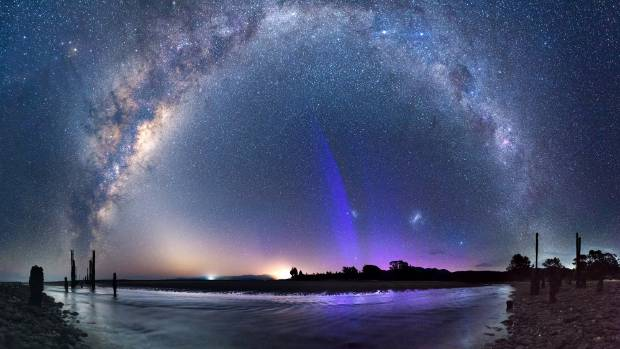
Once in a while a very special event takes place in New Zealand. It is a show of beautiful, bright lights that appear in the sky over the South Island. The lights are called the ‘Aurora Australis’ or ‘Southern Lights.’ They are similar to the ‘Northern Lights’ that are often seen in places like Northern Canada, Iceland, Sweden, Finland and Denmark. The southern and northern lights are so stunning that they often leave people, who are watching them, speechless.
For this activity, you are to write a short acrostic word poem about the beautiful lights. Hazel has written an acrostic poem about summer to give you an example.
S - Sun outside,
U - Umbrellas in the sand.
M -  My friends and I, having fun,
M - Making sandcastles,
E - Enjoying ice cream on a hot day,
R - Racing to the beach!
On your blog, use the word ‘LIGHTS’ to write an acrostic poem about the Southern Lights. Be as creative as you can!
For more information and examples of acrostic poems, check out this poetry website.

Playful and clumsy
Adventurous and loves to go to places she hasn't been before
Respectful to others
wonderful and amazing
Imaginative with my writing
Natural and cool

Here is the second activity!

In the middle of winter, a very special cluster (group) of stars appear in the sky over New Zealand. This cluster is called the ‘Matariki star cluster.’ It re-appears in the sky each May/June and signals the start of the Māori New Year. Many songs (waiata) and stories have been written about the cluster. One of these is called ‘The Seven Stars of Matariki.’ It was written by a New Zealander named Toni Rolleston-Cummins. She is from Maketu. Click here to listen to Toni read her story.
On your blog, write a short summary of the book. What was it about? Try to summarise the story in 6-8 sentences.
There were seven brothers who lived in a village who were all good looking, the youngest one was Metai. Metai's brothers didn't marry anyone because they thought that there was nobody more beautiful than them when one day they went hunting and heard singing. They were curious so they went closer and found 7 pretty woman with golden hair sitting their. They all fell in love with the women except Metai. He didn't trust them and tried tell his brothers, but they didn't listen and took them to the village to be heir wives. They never left the house and the only thing that they ate was seafood, when one day they were missing. He waited behind a tree to see where they were, he was gong to give up when he saw 6 birds on a tree and then a 7th bird flew out of his eldest brothers house. He transformed himself into a Bird and was listening to what they were saying. They wanted to starve his brothers so he went to inform the village about what they wanted to do.  They went to his grandfather to ask for hep and he said that he had woven magic nets to trap their wives in so the next time they caught there wives, they wrapped the nets and the transformed back into what they were before.

Here is the last activity! Hope you enjoy!
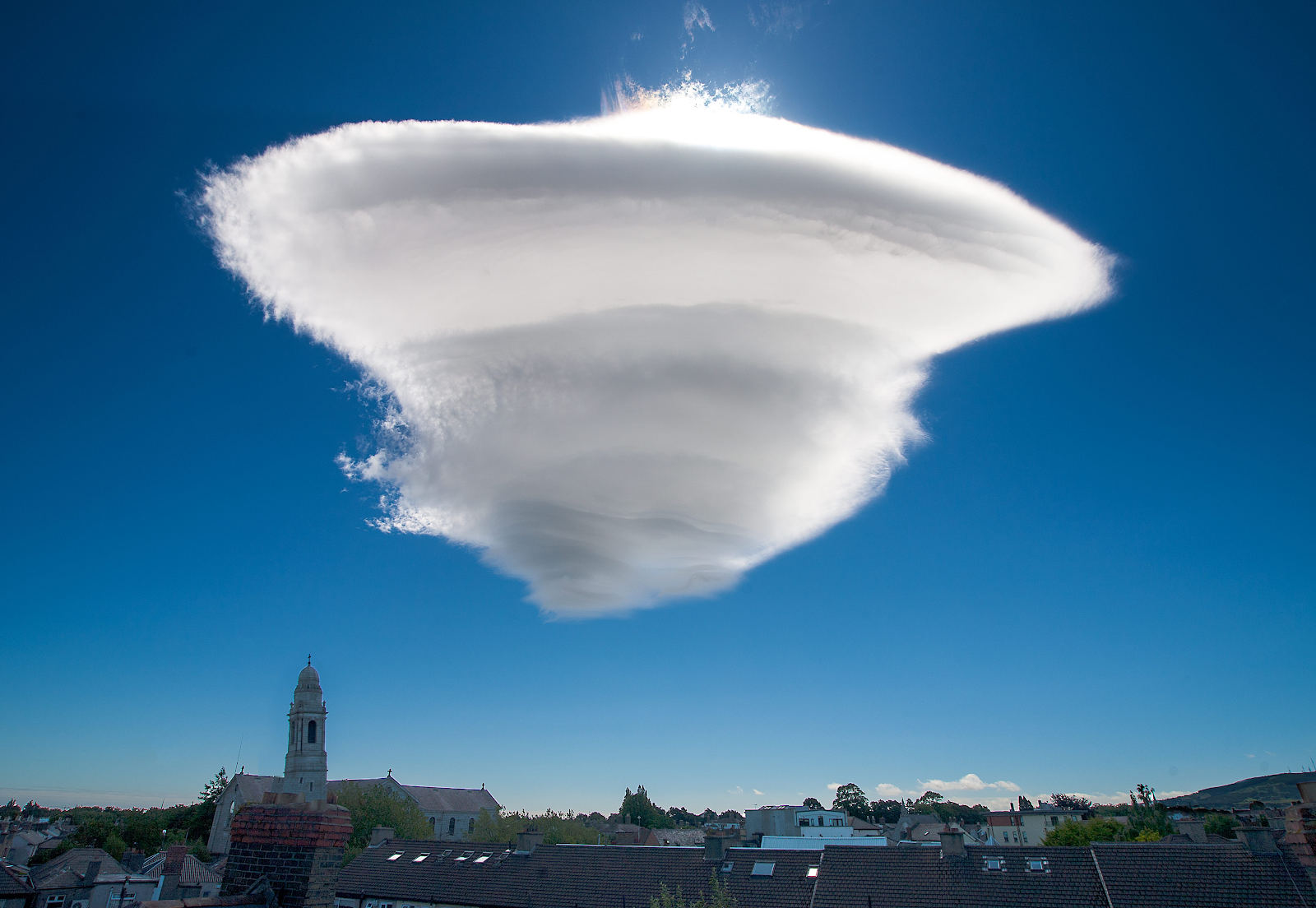
Have you ever looked up into the sky and seen a cloud that had a really cool shape? I certainly have, and so have dozens of other people. Take a look at the three pictures of crazy, cool cloud formations below.


From left to right: Picture 1,   Picture 2,   Picture 3
Clouds are formed when small drops of water stick together. To learn more about clouds and how they are formed, you can watch this cool video. Once you have learned about clouds, please choose your favourite cloud picture.
On your blog, tell us what you see in the photo. What shape(s) do you see? Be sure to tell us which picture (1, 2 or 3) you have chosen and describe what you see in lots of detail!.

I think my favourite one is first one because it is in the shape of a dog with pointy ears that looks like its begging for something.


Wednesday, January 2, 2019

Summer Learning Journey Day 13

Hey bloggers, I'm back!
Today is the 13th day of the Summer Learning Journey, but first I did the activities for yesterday because I didn't have time to di yesterday so I did them today. But now its time for todays activities! Here is the first activity!
Aotearoa New Zealand is home to many different kinds (species) of native birds.  Sadly, about a third of our native bird species are at risk of disappearing forever (becoming extinct).
Each year, Forest and Bird New Zealand hold a ‘Bird of the Year’ competition where people can vote for their favourite native bird. This year, the winner was the kererū (or woodpigeon).
Go onto the Bird of the Year website, look through the native birds on the site, and choose one that interests you.
On your blog, write a short description of your bird. Where does your bird normally live? What does your bird normally eat?  Post a picture of the bird underneath your description. Be sure to attribute your picture properly.

I  think  that  my  favourite  one  is  the Kārearea (New Zealand Falcon). Here is a photo of it which I got from Google. 
See the source image
This bird is called the Kārearea or the New Zealand Falcon. It is on the 20 dollar note, can fly 230km/h and can catch prey in mid flight as well.
(I couldn't find more information about this bird.)
Here is the second activity!
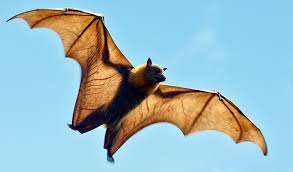
Not only is New Zealand home to many native birds but we also have a number of native bats. Some of these bats are really small while others are much larger. None, however, are as large as the largest bat in Australia. It is called the flying fox (pictured below) and it has a wingspan of up to 6 feet or 2 metres. Wow! That is taller than most of us!
Flying foxes usually sleep during the day and hunt for food at night, using their ears to guide them through the darkness. Like other bats, they have the best hearing of any mammal. It is their ‘superpower.’
If you could have a superpower, what would it be? If I could choose, I would like to be able to fly. It would make it possible for me to fly back to Canada and visit my family whenever I wanted. How amazing would that be?!
On your blog, tell us what superpower you would like to have and why you’d like to have it.
I think that I would like to be able to fly so that I can go where ever I want when ever I want, so that way I can fly to Afghanistan and see how its going there.
Here is the last activity!

Birds and bats are just two species of animal that are able to fly. Did you know that some fish, squirrels and snakes are also able to fly? Check out the ‘Top 10 Flying Animals of the World’ website to learn more about these incredible animals.
Once you have explored the site, choose one animal and create a digital learning object (DLO, eg. a poster) that tells us all about the animal. Be sure to include at least three interesting facts and a picture or two of your animal! Please follow these instructions for attributing your pictures properly.


Summer Learning Journey Day 12

Hey bloggers, I'm back!
 Today is actually the 13th day but since I forgot to do the one for day 12 since we went somewhere because it was new year, I am going to be doing that today along with the activities for today. How was your new year? Mine was great, we went to a road trip to Akaroa but we ended up going to Pigeon Bay instead. It was a okay place but I didn't really like it much. But we went to the beach at night when the sun was setting! It was a pretty sight! But anyway, here is the first activity!

One of the most important, but least talked about, animals in New Zealand is the bumblebee. It was first introduced to New Zealand in 1885 to help pollinate a special plant called the ‘Red Clover.’ Today, bumblebees do many other important jobs, including the pollination of greenhouses and orchard crops. If the bees did not pollinate the plants, they would not survive.
For this activity, we would like you to bee-come detectives and to learn more about the mysterious, and often ignored, bumblebee. We will provide you with five sentences about bumblebees from the NZ Bumblebee Conservation Trust website and it is your job to fill in the blanks with the missing information about bees. Choose the phrase/word that makes the most sense from the list at the bottom. (Each phrase/word can only be used once).
To earn full points for this activity you must type all five sentences and then fill in the blanks for each one. Post the completed sentences on your blog.
Unbee-lievable Facts about Bumblebees
  • The word ‘bumblebee’ is a compound word (bumble + bee). The word ‘bumble’ means to
  • Drone.
  • Bumblebees can fly very quickly. They can reach ground speeds of  90 kilometres per hour (km/h).
  • Bumblebees are very strong! They carry up to 54 percent of their body weight in food with them to avoid starvation.
  • Bumblebees can do more work and carry more pollen than other bees, including honeybees. In fact, they can do up to   50 times as much work as a normal honeybee.
  • The number of bumblebees is declining in New Zealand due to a number of factors, including the removal of wildflowers and flowering trees.
Phrase/Words/Numbers
...50                 ...90                 ...removal of wildflowers and flowering trees, habitat loss, and extensive use of pesticides.      ...hum, buzz, or drone                 ...54  

Here is the second activity!
Every day a chemical compound called carbon dioxide (CO2) is produced and released into the air.  If it isn’t removed, it can become toxic for humans. Fortunately, there are a number of places where CO2 is absorbed (removed from the air). Two of the most common places are forests and oceans. They are called ‘carbon sinks’ because, like a sink, they gather, clean and drain things away that we don’t want. One of the largest carbon sinks in New Zealand is a forest in the south-western part of the South Island. It drains away 60% of our unwanted carbon!
Let’s imagine that you could design a sink that could gather up and then drain away any foods that you don’t like. On your blog, tell us what you would put in your special sink. If it was me, I would put rice pudding, brussel sprouts, custard, parsnips, and seafood chowder in the sink. Yuck! What about you?
On your blog, list all of the foods that you would put in your special draining sink..
I think that I would put Brussel sprouts, meat, sea food and rotten things.
Here is the last activity!
In the middle of winter it can get quite wet and damp in New Zealand, can’t it? When it gets really damp, it is common for things like mould and fungi to start to grow. We can often see them on the walls, ceilings or floors of our houses or outside on footpaths, buildings or roadways. Some types of mould and fungi are so small that they can’t be seen. Some of these tiny fungi/mould can be found in the air. They are called ‘airborne fungi’ and they can be unhealthy for us.
Let’s imagine that we tested the air in your classroom and found 7 different kinds of mould. Eek! The cleaner says that it takes 5 days for each mould to be eradicated (removed). If the school had to remove each mould one at a time, how long would it take to remove all the mould from the classroom?

On your blog, tell us how you would solve this tricky maths problem. Be sure to also post your final answer in days or weeks.